
Loose Lay Vinyl Flooring: A Smart Choice for DFW DIYers and Pros
Loose lay vinyl flooring is one of the most practical vinyl options on the market. It’s stable, comfortable underfoot, and easier to work with than many people expect. For many DFW homeowners, it’s a strong match for quick upgrades and future flexibility. For installers, it can be a time-saving option on the right job.

Loose lay vinyl flooring is one of the most practical vinyl options on the market. It’s stable, comfortable underfoot, and easier to work with than many people expect. For many DFW homeowners, it’s a strong match for quick upgrades and future flexibility. For installers, it can be a time-saving option on the right job.
At Ideal Floors, we often help customers compare loose lay with click-lock and glue-down. If you’re starting your research, take a look at our vinyl plank flooring selection to see the different vinyl types and style options in one place.
What is loose lay vinyl flooring?
Loose lay vinyl is a type of luxury vinyl plank (LVP) made to “grip” the subfloor without full-spread adhesive. Many products use a heavier plank and a high-friction backing. The weight and backing help keep planks from shifting during normal use.
Some installations still use perimeter tape or adhesive in specific areas. That depends on the product and the room conditions. The key idea stays the same. It is designed for fast installation and easy plank replacement.
Loose lay is not the same as floating click-lock. Click-lock relies on a locking edge system. Loose lay relies more on friction, weight, and tight plank-to-plank fit.
Why DIYers like loose lay vinyl
Loose lay vinyl can be a good DIY option because the steps are straightforward. You often spend more time on prep than on “locking” planks together. That’s a good thing, since prep is what makes floors last.
DIY-friendly advantages include:
- Faster installation in many rooms.
- Less specialized tools than some other systems.
- Simple repairs if a plank gets damaged later.
- Comfortable feel due to thicker, heavier constructions.
DIY still needs good planning. You must verify subfloor flatness and moisture. You also need clean cuts around door jambs and transitions. If you want a step-by-step overview before you start, our guide on vinyl plank flooring installation and care is a helpful reference.
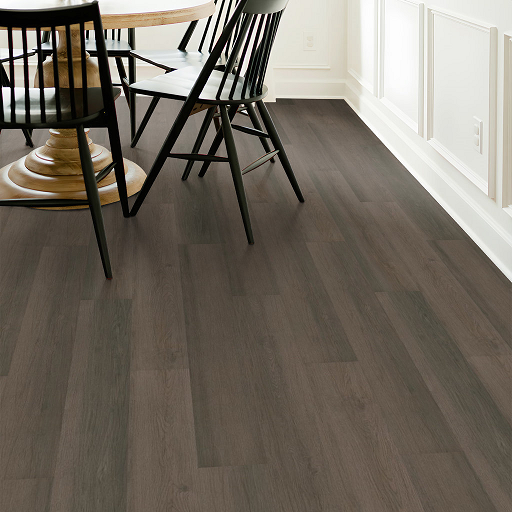
Why installers use it on the right jobs
Professional installers like loose lay when speed matters and the layout is clean. It can also help when a customer wants less mess and fewer fumes. That’s especially true compared to full glue-down installs.
Pros also like the serviceability. If a customer calls later with a damaged plank, the fix is often simpler. That can be a win for the homeowner and the installer.
Loose lay can also reduce downtime in certain spaces. Many jobs can be completed and walked on quickly. That matters in homes with kids, pets, or tight schedules.
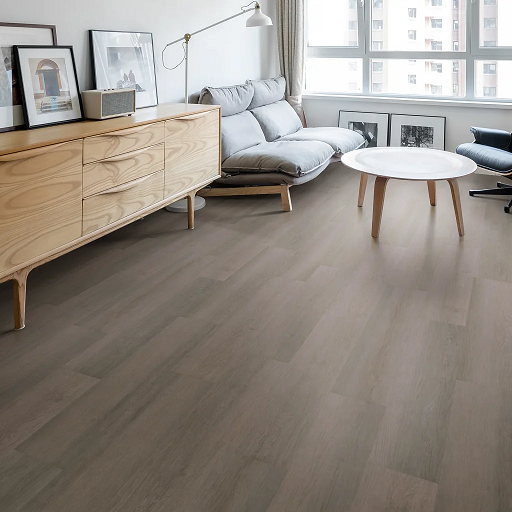
Best use cases for loose lay vinyl flooring
Loose lay isn’t “one-size-fits-all,” but it shines in several common situations.
It’s often a good fit for:
- Living rooms and bedrooms where you want comfort and quiet.
- Basements when moisture conditions are addressed correctly.
- Rental properties where easy repairs are a big plus.
- Home offices that need a durable, stable surface.
- Light commercial spaces when the product rating supports it.
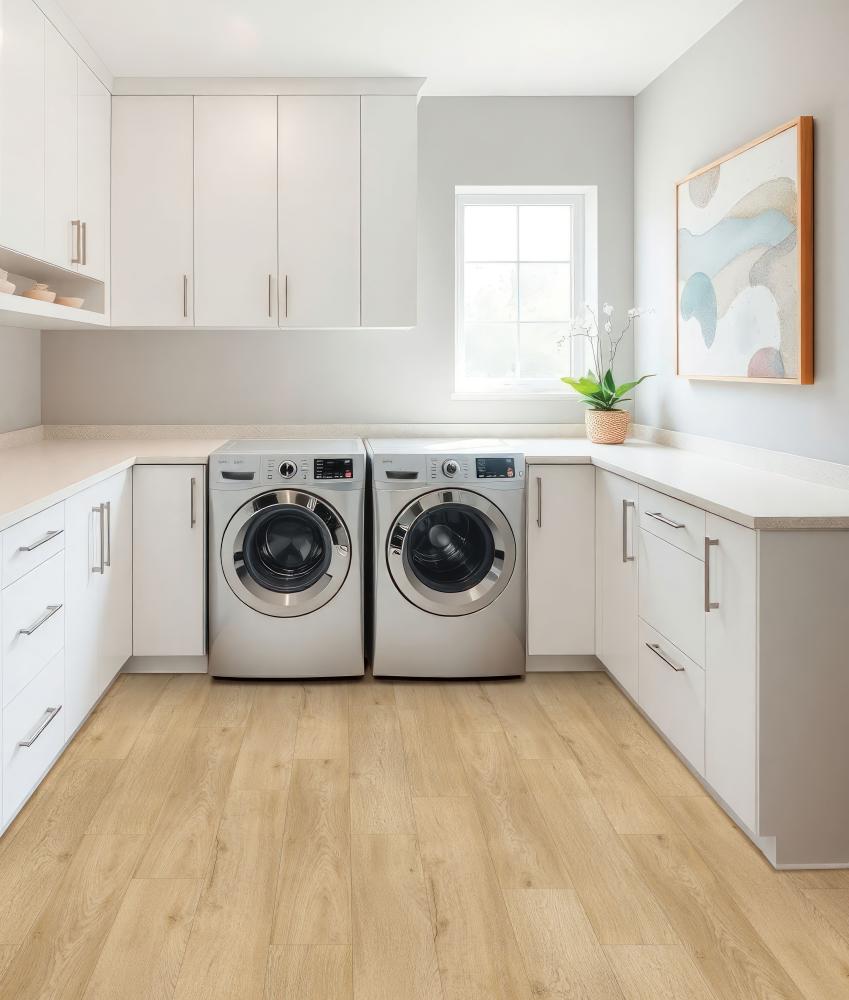
It can also be a smart choice for staged homes and quick refresh projects. That’s common in the DFW housing market. Homeowners and agents often want durable results on a practical timeline.
Loose lay may not be ideal in every setting. Very large, open-concept areas can require extra planning. High-heat areas and heavy rolling loads can also change product needs. Always check the manufacturer rules for the exact line you choose.
One of the biggest benefits: easy plank replacement
Accidents happen. Pets scratch floors, kids drop heavy items, and water events can affect a small area. With many flooring types, a small issue can become a big job. Loose lay helps reduce that risk.
If one or two planks are damaged, they can often be removed and replaced without tearing out the entire floor. That’s a major advantage for long-term ownership. It can also reduce repair costs over time.
This is one reason loose lay has a strong following with landlords and busy households. It’s not just about installation day. It’s about year three, year five, and beyond.
Popularity in DFW: why loose lay keeps gaining ground
In the Dallas–Fort Worth area, vinyl plank continues to grow in general. Loose lay is gaining attention within that category for a few clear reasons.
First, many homeowners want durable floors that handle real life. DFW homes often deal with pets, kids, and backyard traffic. Loose lay vinyl holds up well when you choose the right wear layer and construction.
Second, people want options that fit different budgets. Loose lay can compete well on value, especially when you factor in repair ease.
Third, customers like flexibility. If you think you might remodel later, loose lay can be appealing. It’s also a good option for homeowners who want a simpler future fix.
Finally, style has improved a lot. Modern loose lay visuals can look very close to real hardwood. Texture, bevels, and matte finishes have come a long way.
Top brands to consider: Shaw and Mohawk
Brand matters with loose lay. Construction quality, wear layer, and backing design can vary. That’s why we suggest comparing reputable lines side by side.
Two names many shoppers recognize are Shaw and Mohawk:
- Shaw loose lay options: Shaw Floors loose lay search
- Mohawk loose lay options: Mohawk Flooring loose lay search
Both brands offer looks that fit DFW style trends. You’ll see warm oaks, modern neutrals, and lighter natural tones. Many collections also include wider planks and realistic surface texture.
When comparing products, focus on a few practical specs: wear layer thickness, overall thickness, and warranty coverage. Also ask about room limitations and recommended installation methods.
Tips for choosing the right loose lay floor
Loose lay is simple, but details still matter. A few smart checks can prevent headaches later.
Keep these points in mind:
- Subfloor flatness matters, even with thicker planks.
- Moisture testing is important, especially on slabs.
- Transitions and doorways need planning for clean edges.
- Match the product to the room, not just the color.
If you want help comparing loose lay versus other vinyl formats, start with our vinyl plank flooring page. It’s a quick way to understand the broader category.
Visit a showroom for the best selection and the best fit
Loose lay vinyl can be a great solution, but the “best” product depends on your home and goals. Color looks different under real lighting. Texture feels different in person. It’s also easier to compare thickness and rigidity when you can handle samples. Our guide on choosing the right vinyl flooring can help.
Shopping in a showroom that carries multiple brands helps you make a smarter choice. You get more styles, more types, and more price points in one stop. That variety makes it easier to stay on budget without giving up the look you want.
If you’d like guidance from a local flooring team, schedule a visit with Ideal Floors. We serve the DFW area with stores in Arlington, Garland, and Duncanville. Use our online form to set a time that works for you: schedule an appointment.
About the Author

Comments