
Best Hardwood Floors for High-Traffic Areas
Evaluating which hardwood floors work best in high-traffic areas is the key to optimizing your flooring. Follow our expert advice to upgrade with confidence.
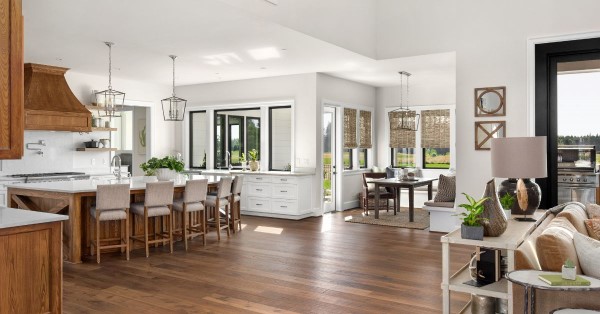
High-traffic rooms never get a break, so homeowners can't afford to pick a floor that gives up early. Entryways, living rooms, and hallways take a pounding from shoes, furniture, pets, and kids—all without time to recover. Some hardwood floors offer both beauty and resilience, while others lose their finish or dent far too fast.
Choosing the right option depends on the species, the finish, and the way the grain pattern handles wear. Knowing the best hardwood floors for high-traffic areas puts you in control of your investment and your home’s comfort.
White Oak: Balanced Strength for Everyday Activity
White oak delivers a hard-wearing surface that resists pressure, dings, and minor dents caused by foot traffic or daily movement of chairs and furniture. The wood’s tight grain structure naturally hides fine scratches, making it a practical choice for family rooms and dining areas. Unlike softer woods that absorb damage quickly, white oak absorbs stress without making it obvious.
Its neutral tone adapts to a wide range of interior styles without emphasizing scuffs or wear marks. Interior designers often rely on white oak for its ability to balance traditional character with modern durability. Grain lines run straight and subtle, providing visual texture without overwhelming the space.
Many homeowners prefer white oak because it doesn’t demand constant upkeep to look clean and even. One of the best hardwood floors for high-traffic areas is white oak because it maintains both performance and visual consistency over time. You can sweep and spot-clean it regularly without worrying about uneven wear patterns or dramatic color shifts.
Hickory: The Hardest Wood for Demanding Conditions
No other hardwood commonly used in homes competes with hickory’s raw hardness and toughness. Janka tested at one of the highest hardness scores available, hickory fights back against pressure from pet claws, heavy furniture, and repeated foot traffic. Families with active kids or homes that see heavy daily use appreciate hickory’s dependability.
Beyond just strength, hickory hides marks naturally thanks to its bold and varied grain pattern. Each board looks unique, so dents and scratches blend into the overall design rather than standing out. This camouflaging quality makes hickory ideal for rustic, farmhouse, or craftsman-style interiors where natural variation feels intentional.
Another one of the best hardwood floors for high-traffic areas is hickory because it pairs raw strength with bold personality. Homes with open layouts or wide living spaces benefit from hickory’s strong character and long-term resilience. Even under direct sunlight, hickory resists fading and maintains its warm tone without bleaching out.
Maple: A Smooth Surface With Resilient Performance
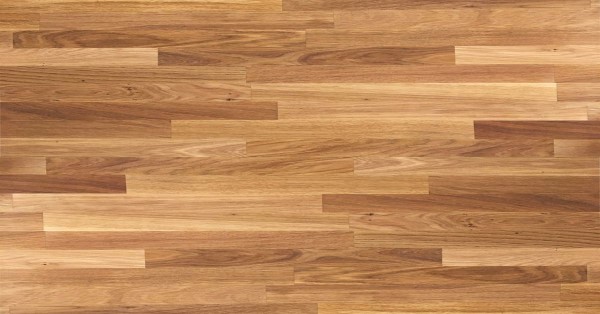
Maple offers a clean, bright look that feels modern without sacrificing strength. Its tight, closed grain prevents fine dirt and grit from penetrating deep into the wood, keeping surface scratches from becoming deeper problems. Homeowners seeking sleek, minimalistic floors often turn to maple for its uniform appearance and durability.
The wood’s naturally light color makes small spaces appear larger, especially when used in upper-floor rooms or open-plan kitchens. Although it doesn’t hide scratches as well as oak or hickory, its surface stands up well to pressure and impact. A durable finish helps reduce visibility of wear in busy zones like home offices or studio spaces.
Maple also adapts well to engineered formats, which reduces the chance of expansion or cupping in humid environments. You can count on maple to hold up over time in rooms with frequent temperature swings. Whether used in original hardwood or engineered planks, maple holds its shape and color with steady reliability.
Red Oak: A Reliable Choice for Budget and Strength
Red oak offers a reliable balance of strength, affordability, and aesthetic versatility for high-traffic areas. With a Janka score slightly lower than white oak, red oak still holds up well to daily wear in busy homes. Many homeowners choose it for large projects where cost, availability, and strength must align.
Its open grain pattern softens the appearance of scratches and dents, helping it age gracefully even in staircases or narrow halls. Staining red oak offers flexibility, allowing homeowners to coordinate it with cabinets, railings, or other wood elements throughout the home. The wood accepts finish well, creating a protective topcoat that holds up under foot.
Red oak works especially well in traditional interiors, but also holds its own in transitional and even contemporary spaces. The material responds well to both satin and matte finishes, making upkeep simple. Its widespread availability often makes it the first choice when homeowners want value without sacrificing quality.
Engineered Hardwood: A Smart Solution for High-Humidity Entryways
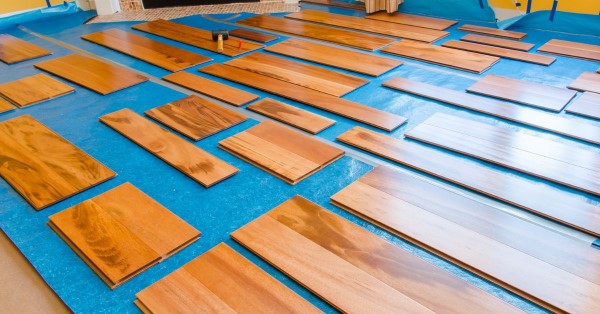
Engineered hardwood handles moisture-prone areas better than solid hardwood, which makes it ideal for foyers, laundry rooms, and basement entries. Its layered construction resists warping caused by wet shoes, humid air, and sudden temperature swings. Unlike solid wood, it stays flat and stable when exposed to water near doors or outdoor access points.
The top veneer can still use high-performance species like white oak, hickory, or maple, combining durability with moisture resistance. This hybrid approach gives homeowners the look of real hardwood with the performance of a more flexible material. Engineered floors often come prefinished, further protecting the wood from early damage.
At iDeal Floors, we provide high-quality hardwood flooring in DFW that residents rely on for long-lasting results in high-traffic zones. Our flooring experts help homeowners find engineered options that meet both their style preferences and performance needs. Whether you're updating a mudroom or renovating a front hallway, engineered hardwood offers peace of mind and a polished design.
Finish and Maintenance Matter
Hardwood species don’t work alone. Finishes protect the grain from scratches, spills, and fading. Polyurethane, especially oil-based versions, adds a thick barrier that holds up well under rolling chairs, pet traffic, and dirt from outdoors. Homeowners can choose matte or satin finishes to reduce light reflection and hide small imperfections more easily.
Maintaining hardwood in high-traffic zones requires more than mopping. Recoating floors before wear reaches the wood itself extends the lifespan and prevents refinishing. Using area rugs, furniture pads, and regular dust removal also minimizes damage.
Choosing the best species won’t help if the surface gets ignored. Pairing high-quality wood with smart upkeep practices leads to a longer-lasting and better-looking floor. Keep your investment working hard by caring for it intentionally and consistently.
Upgrading high-traffic floors starts with understanding what each hardwood species can offer your space and lifestyle. Not every home needs the hardest option, but every homeowner benefits from informed choices.
Strong wood, durable finishes, and consistent upkeep work together to handle wear without constant worry. Contact iDeal Floors today to explore options for flooring that holds up beautifully where life moves fastest.
About the Author

Comments