
Choosing the Best Flooring for Different Home Spaces
Make the right decision for your home spaces by knowing the factors to consider when picking floors that actually match your lifestyle and home’s aesthetics.
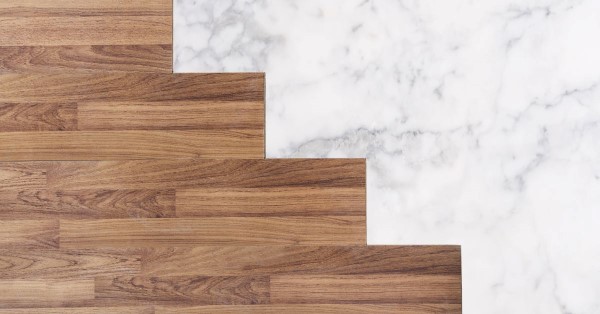
Your home works hard, and each space deserves flooring that supports its unique role. Kitchens face more spills than bedrooms, and bathrooms demand surfaces that won’t warp or crack. Matching your flooring to your lifestyle can make a huge difference in how your rooms look, feel, and hold up over time.
From cozy comfort underfoot to surfaces that can take a beating, the right flooring transforms how you experience each room. Before you choose based on looks alone, take a closer look at what works best for each area of your home.
Make Smart Flooring Choices for Kitchens and Dining Areas
Food prep, spills, and regular foot traffic make kitchens and dining areas some of the hardest working zones in any home. Durable flooring needs to withstand pressure without showing wear from chairs, appliances, and quick cleanups. Tile and luxury vinyl plank flooring stand out as top picks due to their strength and easy maintenance.
Hardwood may seem tempting for a cohesive look, but moisture and heat fluctuations often shorten its lifespan in food-focused rooms. Vinyl plank handles water better and mimics wood grain without the risk of warping and staining. Sealed tile remains a go-to for homeowners who prefer a sleek, timeless finish that resists everything from pasta sauce to dropped pans.
For homes with open layouts, using the same material in both dining and kitchen areas can help create a cohesive flow. Choosing neutral or stone-like finishes adds visual harmony without clashing with your cabinets or countertops.
When choosing the best flooring for different home spaces, kitchens and dining areas benefit most from materials that can take daily messes without complaint. Bold textures or patterned finishes can hide crumbs between cleanings while adding personality to your space.
Choose Cozy and Functional Floors for Bedrooms
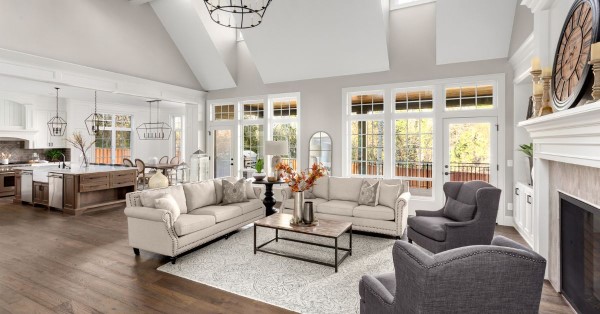
Prioritize comfort in bedrooms since your bare feet hit the ground first thing in the morning. Soft surfaces like carpet or cork create a quieter, more restful atmosphere and help muffle sound between rooms. Bedrooms also allow more freedom for personal style since durability demands remain lower than in shared spaces.
Engineered wood works well for those who want the elegance of hardwood without the same maintenance level. It provides a warmer touch than tile and suits seasonal climate shifts better than solid wood. Pair it with area rugs for added softness and color flexibility without committing to wall-to-wall carpet.
Kids’ bedrooms call for materials that clean easily and feel safe during playtime. Vinyl planks offer a scratch-resistant, easy-to-sweep option that handles crayons, toys, and snack crumbs seamlessly. Parents can add cozy rugs where needed without worrying about permanent messes.
When choosing the best flooring for different home spaces, bedrooms let comfort take the lead while still offering creative design freedom. You can pick soft textures, muted tones, or bold finishes depending on the mood you want. Every bedroom should reflect both your lifestyle and your idea of relaxation.
Pick Durable Materials for Entryways and Hallways
Your front entry catches dirt, rainwater, and constant foot traffic, so strength and stain resistance take priority there. Muddy boots, pet paws, and heavy bags all challenge flooring surfaces the minute you walk through the door. Ceramic tile and waterproof laminate hold up best against these everyday stressors.
Luxury vinyl plank works especially well in hallways where you want to match nearby rooms without sacrificing resilience. It also provides slip resistance and stays comfortable underfoot while handling years of daily use. Dark tones or textured surfaces help to hide dirt between cleanups.
Avoid plush or high-pile materials in entry areas, as they trap grit and moisture too easily. Instead, opt for harder materials that wipe clean with minimal effort. Entry flooring should feel welcoming but also stand up to constant foot traffic.
Match Flooring to Moisture Needs in Bathrooms and Laundry Rooms
Bathrooms demand flooring that holds its ground against soap, water, and humidity. Porcelain tile stands as one of the top contenders, offering both durability and design range. Grout lines sealed properly stay fresh-looking and reduce mold buildup over time.
Waterproof vinyl also earns points for its comfort, especially in laundry rooms where you might stand folding or sorting clothes. Thicker versions provide a little give underfoot, which helps in multi-tasking zones. Both vinyl and tile come in patterns that mimic wood or stone, giving you style without the risks.
Rubber-backed materials help reduce slip concerns in both spaces, especially around tubs and sinks. Some homeowners add floor mats or grip strips to increase safety where wet conditions are unavoidable. Every layer counts in high-moisture zones, from surface choice to how it’s installed.
Create a Balanced Look in Living Rooms and Common Areas

Living rooms set the tone for your home, so flooring here needs to combine looks, durability, and comfort. Hardwood, engineered wood, and luxury vinyl plank often fit the bill by offering both style and structure.
Layering rugs over smoother flooring surfaces adds softness and flexibility, especially if your design tastes change over time. You can swap rugs seasonally or when updating furniture, giving your space a fresh look without replacing the floor. Neutral base tones keep options wide open for wall colors and accessories.
At iDeal Floors, we offer discount flooring DFW residents rely on for affordable options in various parts of their home. Our team helps homeowners find the perfect flooring for any space in their home. Whether you're replacing outdated carpet or starting from scratch, we provide a wide selection of flooring and helpful advice.
Choose Tough, Versatile Floors for Garages and Sheds
Garages often become storage centers, home gyms, or hobby spaces, so the flooring needs to handle everything from tool drops to car tires. Epoxy coatings seal concrete floors for better durability and easier cleanup. You can also use interlocking vinyl tiles that snap together and resist wear.
Some homeowners install wood planks in sheds, especially when storing gardening gear or using the space as a workshop. Treated wood provides comfort underfoot and holds up against seasonal changes when sealed properly. In converted sheds, vinyl flooring adds a polished look while resisting scuffs and moisture.
Garage floors benefit from materials that resist stains, impact, and temperature fluctuations. Painted or sealed concrete holds strong under pressure, while modular tiles add customization for different uses. You can blend function with visual appeal through patterns, borders, or color zones.
Upgrading garage and shed floors gives forgotten spaces a fresh start. Choosing materials that clean easily and stay tough under changing needs makes those areas feel like part of your home. You don’t have to settle for dusty concrete when smarter flooring offers more value and versatility.
About the Author

Comments