
Glue-Down vs. Click Vinyl Planks: Which Is Better?
Get informed to make the right decision about your flooring with this guide comparing glue-down and click vinyl plank methods for real-world applications.
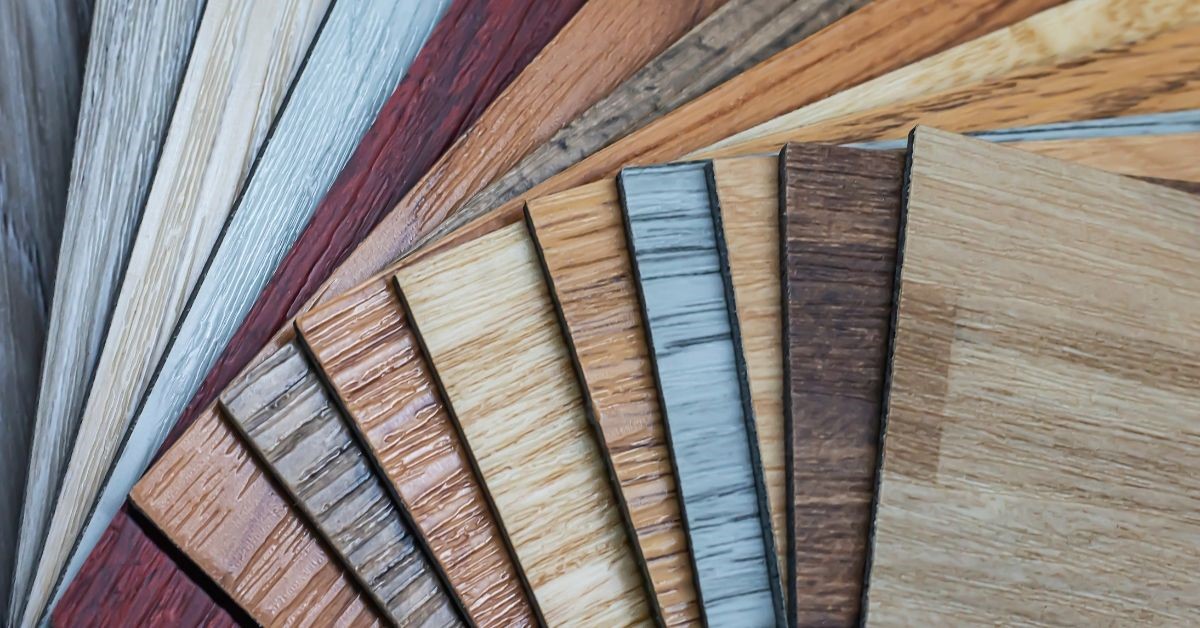
Vinyl plank flooring remains one of the most popular upgrades for homeowners who want durability without sacrificing design. Whether replacing floors in a single room or updating your entire home, choosing the right installation method can make or break your project’s success.
Both glue-down and click vinyl planks offer unique strengths depending on how, where, and why you plan to install them. Choosing between the two means weighing comfort, stability, effort, and cost all in one big decision.
Ease of Installation
Glue-down vinyl planks demand a high level of prep work before any flooring even touches the subfloor. Installers must level the surface, clean it thoroughly, and apply adhesive evenly to prevent shifting or bubbling.
Most homeowners hire professionals for glue-down installs because small errors lead to big problems. Even experienced DIYers sometimes struggle to line up planks fast enough before the glue sets.
Click vinyl planks attract DIY fans for a reason. They snap together without adhesive, require minimal tools, and let users install floors at their own pace.
The floating floor design also allows for easier adjustments, especially in oddly shaped rooms. Whether glue-down or click vinyl planks are better for your project depends on how comfortable you feel with hands-on projects and whether you want to hire a professional.
Durability in High-Traffic Areas
Glue-down vinyl creates a firm bond with the subfloor, which prevents individual planks from lifting or shifting over time. Heavy foot traffic, rolling furniture, and pets can wear down less secure systems, but glued flooring holds its place without any issues.
Many commercial spaces use glue-down installations for that very reason—it’s built to last under pressure. Homeowners with energetic families or high-traffic areas often find the rock-solid stability is worth the extra installation effort.
Click vinyl handles everyday life beautifully, though it can shift slightly under extreme pressure. In open-concept homes, minor separation can occur when furniture presses down unevenly across seams.
That doesn’t mean click vinyl flooring fails under pressure; it just responds differently to tension. If you need absolute stability in every situation, glue-down flooring offers that extra peace of mind.
Water and Moisture Resistance
When installed properly, glue-down vinyl planks leave little room for water to seep between edges or reach the subfloor. Moisture stays on the surface until cleaned, and the adhesive layer creates a barrier against long-term damage. Laundry rooms, basements, and bathrooms benefit from this tighter seal.
Click vinyl planks handle surface moisture well, especially with waterproof core technology. However, water can slip between seams during major spills or extended exposure. If the underlayment traps moisture underneath, mold or warping may occur. Homeowners in humid climates should weigh whether glue-down or click vinyl planks are better when balancing climate with care expectations.
Repair and Replacement
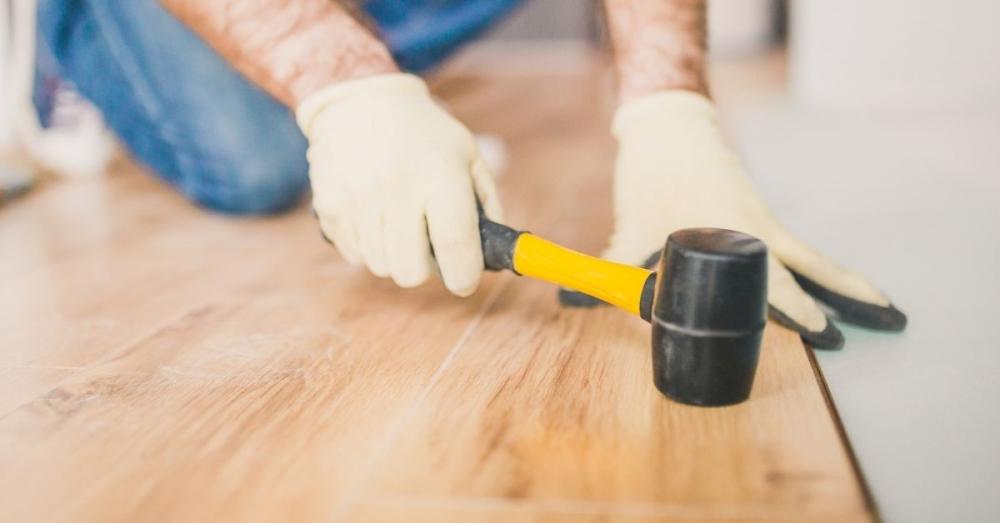
Replacing glue-down planks involves softening adhesive with heat, removing the damaged piece, and carefully aligning a new one into the space. The process works, but takes precision, especially if nearby planks already show wear. Mistakes during removal often affect the surrounding boards. Most homeowners contact professionals to avoid extending the damage zone.
Click vinyl shines in the repair department. Many homeowners unlock sections, pop out the damaged plank, and snap in a replacement in minutes. No glue means no scraping or sanding, and the process rarely risks surrounding pieces. Anyone concerned with long-term maintenance should consider ease of replacement early in the decision process.
Comfort and Sound Underfoot
Glue-down planks attach directly to the subfloor, which creates a firm feel when walking. While that stability appeals to some, others notice less comfort during long periods of standing. Sound also travels more through glue-down installations, especially without added padding.
Click vinyl often includes foam backing or pairs with an underlayment to create a cushioned, quieter step. Homes with upstairs bedrooms or children benefit from the softer sound profile. Walking feels smoother and more forgiving with that built-in buffer. Comfort matters most in places where people spend long periods standing.
Cost Breakdown
Glue-down planks often cost less per square foot than click planks, but the difference shrinks when factoring in labor and materials. Adhesive, subfloor treatments, and professional installation add significant cost, especially for large projects. Homeowners on a budget sometimes face unexpected costs mid-project. Measuring total cost means looking beyond just the material itself.
Click vinyl may come with a higher sticker price per box, but many save on labor by installing it themselves. Fewer tools, faster installs, and reduced prep work lower the overall budget. For homeowners comfortable with hands-on work, the savings feel substantial. In rooms under 500 square feet, click vinyl frequently wins the cost battle.
Style Flexibility and Layout Options
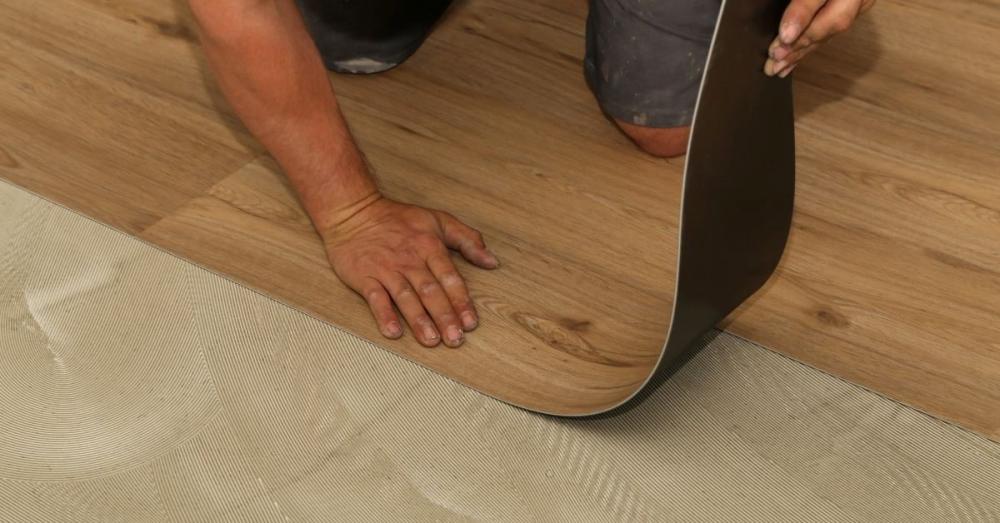
Glue-down installation allows greater flexibility in pattern and direction. Installers can lay herringbone, diagonal lines, and custom borders without fear of shifting or separating.
Designers often favor glue-down for creative layouts that require tight seams and permanent placement. Room transitions also appear more seamless when adhesive keeps planks fixed to the subfloor level.
Click vinyl favors linear or staggered layouts due to the locking system. Curved edges, borders, and angled patterns become harder to achieve without cutting and recutting individual planks.
Floating installations also require expansion gaps along walls, which may impact visual flow. At iDeal Floors, we help customers choose vinyl plank floors DFW homeowners love, and we offer guidance for layouts that fit both your vision and your space.
Long-Term Stability and Resale Value
Glue-down floors provide long-term stability that performs well across seasonal temperature swings or heavy furniture use. Because planks stay glued into place, shifting rarely occurs even in older homes with minor settling.
Real estate agents sometimes prefer glue-down options due to their permanence. Homebuyers associate fixed floors with structural reliability.
Click vinyl still offers dependable use, especially when installed with quality underlayment and acclimated to room conditions. However, shifting or gaps may appear in wide rooms or areas exposed to direct sunlight.
While resale value depends on condition and upkeep, some buyers question floating floor longevity. Regardless of which methods you choose, professional installation protects your investment and home value.
Vinyl planks offer homeowners reliable performance, attractive finishes, and long-lasting results, but the installation method plays a bigger role than most realize. From comfort and moisture protection to layout flexibility and repair ease, this decision shapes how your floors feel and function every day.
No choice works perfectly for every space, so take time to match priorities with the right format. If you’re still comparing options, reach out to iDeal Floors. We’ll help you choose vinyl plank floors that perfectly balance your style preferences with long-term performance.
About the Author

Comments