
Solid Hardwood vs. Engineered Flooring: Making the Right Choice for Your Home
Choosing the right wood flooring can feel overwhelming. Both solid hardwood and engineered flooring offer beautiful, natural aesthetics, but they're built differently and perform best in different situations. Understanding these differences will help you make a confident decision for your DFW home.
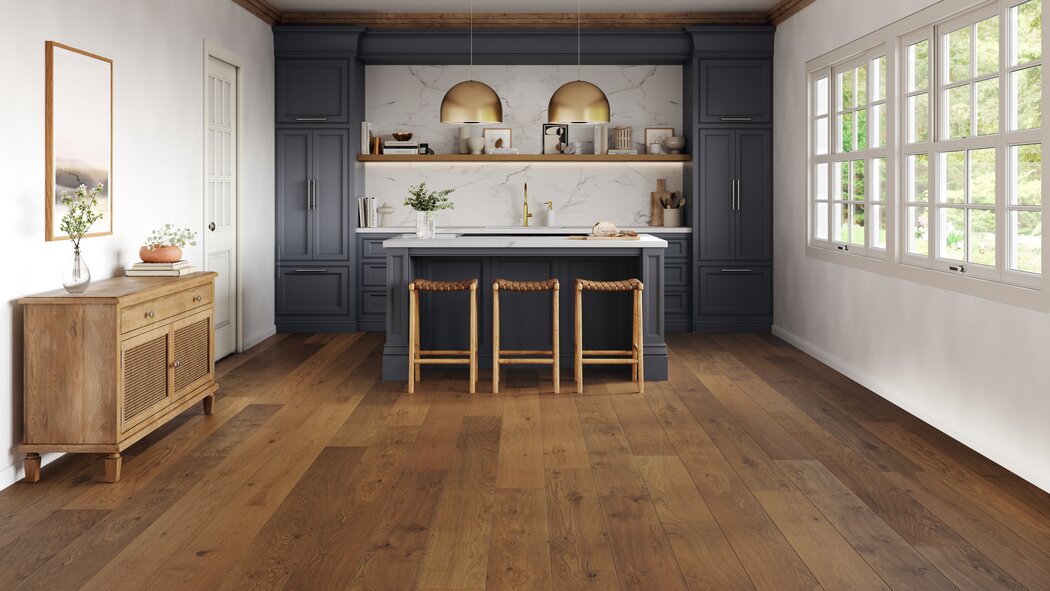
Choosing the right wood flooring can feel overwhelming. Both solid hardwood and engineered flooring offer beautiful, natural aesthetics, but they're built differently and perform best in different situations. Understanding these differences will help you make a confident decision for your DFW home.
What's the Difference Between Solid and Engineered Hardwood Flooring?
Solid hardwood is exactly what it sounds like—planks milled from a single piece of wood, typically ¾ inch thick. It's the traditional choice that's been used in homes for centuries.
Engineered flooring features a real hardwood veneer on top, bonded to multiple layers of plywood or high-density fiberboard underneath. This construction makes it more stable and versatile than solid wood.
Both options give you authentic hardwood flooring with real wood surfaces. The difference lies in how they're constructed and where they perform best.
Solid Hardwood: Timeless and Refinishable
Solid hardwood brings unmatched character to any space. Its thick construction means you can sand and refinish it multiple times over its lifetime—potentially lasting 100 years or more with proper care.
Pros:
- Can be refinished 5-7 times or more
- Adds significant value to your home
- Authentic, timeless appeal
- Long lifespan with proper maintenance
Cons:
- Sensitive to moisture and humidity changes
- Not recommended for basements or below-grade spaces
- Can expand and contract with seasonal changes
- Generally higher upfront cost
Best for: Above-grade living spaces, bedrooms, dining rooms, and areas with stable humidity levels.
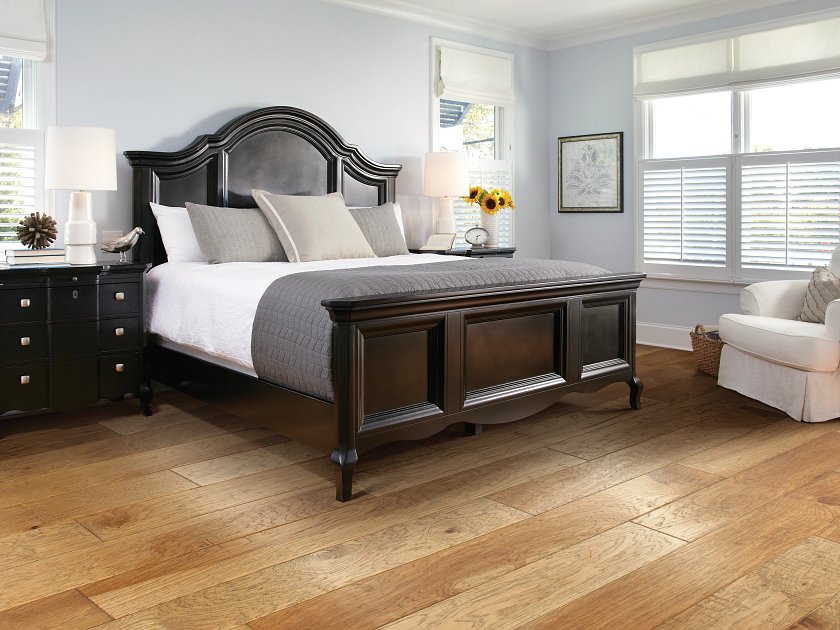
Engineered Flooring: Stable and Versatile
Engineered flooring's layered construction makes it more dimensionally stable than solid wood. It resists expansion and contraction better, making it suitable for a wider range of environments.
Pros:
- More resistant to moisture and temperature fluctuations
- Can be installed in basements and over concrete
- Often easier and faster to install
- Works well with radiant heating systems
- More budget-friendly options available
Cons:
- Limited refinishing potential (depends on veneer thickness)
- May not last as long as solid hardwood
- Thinner wear layers on budget options
Best for: Basements, kitchens, bathrooms (with proper precautions), and homes with fluctuating humidity levels.
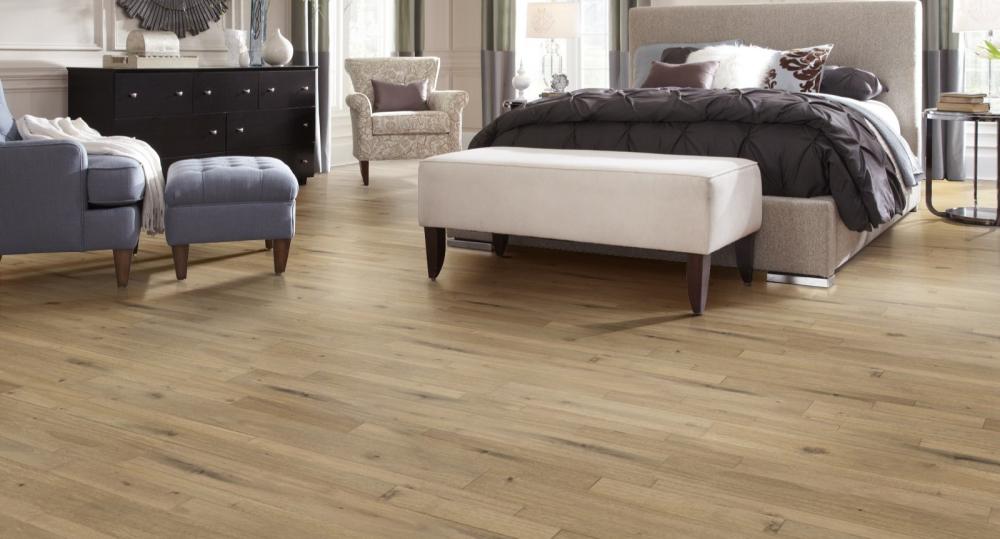
When to Choose Solid Hardwood
Solid hardwood is your best bet when you're installing on the main floor or upper levels of your home. It's ideal if you value long-term durability and want the option to completely refresh your floors decades down the road.
If you're committed to maintaining consistent humidity levels in your home (typically 35-55%), solid hardwood will perform beautifully. It's also the preferred choice for homeowners who prioritize maximum resale value.
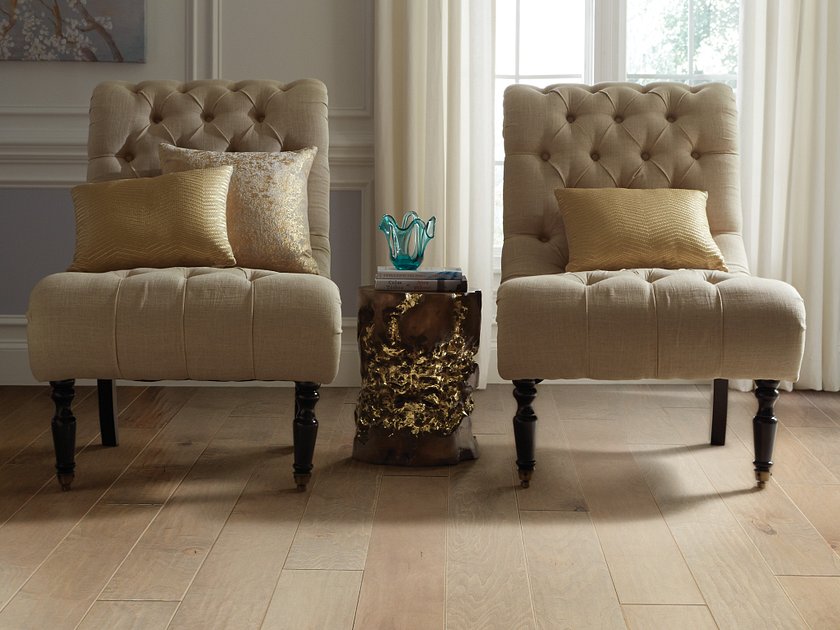
When to Choose Engineered Flooring
Engineered flooring shines in challenging environments. Planning to add natural wood flooring to your basement? Engineered is your answer.
It's also smart for busy kitchens where temperature and moisture levels vary. If you have radiant heating or live in an area with significant seasonal humidity swings (hello, Texas summers!), engineered flooring's stability gives you peace of mind.
For homeowners working within a tighter budget who still want authentic wood, engineered options provide excellent value without sacrificing aesthetics.
Installation Considerations
Both flooring types require proper installation for optimal performance. Solid hardwood typically needs to be nailed or stapled down and requires a wood subfloor. It also needs time to acclimate to your home's environment before installation.
Engineered flooring offers more flexibility. It can be glued, nailed, or installed as a floating floor, and it works over various subfloor types including concrete. Many engineered products also require less acclimation time.
Professional installation ensures your investment performs as expected. Proper subfloor preparation, moisture testing, and installation techniques make all the difference in how your floors look and last.
Making Your Final Hardwood Flooring Decision
There's no universal "better" choice - it depends on your specific situation. Solid hardwood offers unbeatable longevity and refinishing potential for above-grade spaces. Engineered flooring provides versatility and stability for challenging locations.
Consider your installation location, budget, lifestyle, and long-term plans. Both options deliver the warmth and beauty of real wood that makes a house feel like home.
Get Expert Guidance
Still weighing your options? The team at Ideal Floors is here to help. With locations in Arlington, Garland, and Duncanville, we've helped countless DFW homeowners find their perfect flooring solution.
Visit one of our showrooms to see samples in person, discuss your specific needs, and get personalized recommendations. We'll help you choose the flooring that fits your home, lifestyle, and budget. Want us to come visit you? Schedule your consultation online.
About the Author

Comments