
The Complete Guide to Carpet Padding: Why It Matters for Your DFW Home
Most homeowners spend hours selecting the perfect carpet but barely think about what goes underneath. That's a costly mistake. Carpet padding is the hidden foundation that determines how your carpet feels, performs, and lasts.

The Complete Guide to Carpet Padding: Why It Matters for Your DFW Home
Most homeowners spend hours selecting the perfect carpet but barely think about what goes underneath. That's a costly mistake. Carpet padding is the hidden foundation that determines how your carpet feels, performs, and lasts.
At iDeal Floors, we've installed thousands of carpets across Garland, Arlington, and Duncanville. We've seen firsthand how the right padding can make a $3,000 carpet last 15 years, while cheap padding ruins a quality carpet in just five.
What Is Carpet Padding and Why Does It Matter?
Carpet padding (also called cushion or underlay) is the foam or rubber layer installed between your carpet and subfloor. Think of it as the shock absorber for your flooring.
Quality padding does four critical things:
- Extends your carpet's lifespan by absorbing impact
- Adds comfort and reduces fatigue when standing
- Provides insulation and sound dampening
- Protects your carpet warranty
Here's the truth: skimping on padding is false economy. It's like buying premium tires but refusing to balance them.
Types of Carpet Padding
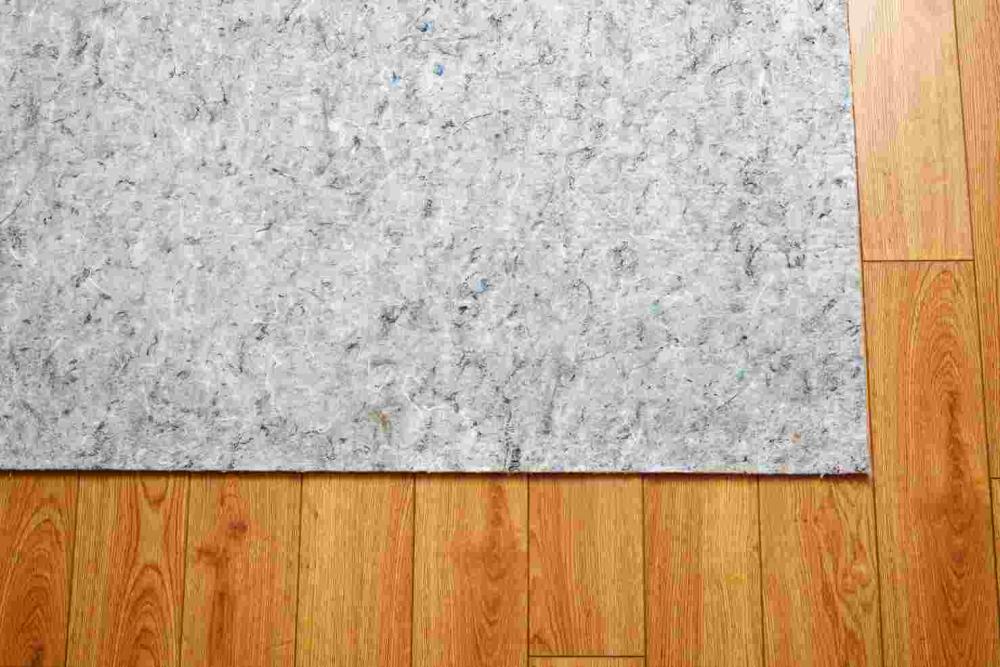
Rebond Padding is the most popular choice in DFW homes. Made from recycled foam, it offers excellent value and performance. It comes in various densities and works well in most rooms.
Memory Foam Padding provides premium comfort. It's temperature-sensitive and molds to pressure. Many of our Garland customers choose this for bedrooms where comfort is priority one.
Frothed Foam Padding is lightweight but supportive. It resists moisture better than rebond, making it smart for Texas humidity.
Rubber Padding offers maximum durability. It's pricier but lasts longer than foam options. We often recommend it for high-traffic areas in Arlington homes.
Fiber Padding uses natural or synthetic fibers. It's eco-friendly and works well for specific applications, though it's less common than foam options.
Key Features: What to Look For
Carpet Padding Density Matters Most
Density measures pounds per cubic foot. For residential carpet, aim for 6-8 lbs. Higher density means better support and longer life.
Don't assume heavier is always better. Padding that's too dense can make carpet feel stiff and uncomfortable. Match the density to your carpet type and room use.
Padding Thickness: The Goldilocks Zone
Standard padding ranges from 3/8" to 1/2" thick. Most carpet manufacturers recommend 7/16" for optimal performance.
Thicker isn't better. Padding over 1/2" can actually void your carpet warranty. It causes excessive flexing that damages carpet backing. Plus, thick padding creates door clearance issues.
Moisture Barriers Are Essential
Texas humidity and occasional spills make moisture barriers critical. Look for padding with a moisture-resistant layer, especially if you have pets or kids.
This feature prevents spills from soaking into your subfloor. It also stops mold and mildew growth, which is crucial in our climate.
Choosing Padding for Different Rooms
Living rooms and family rooms need durability. These high-traffic areas benefit from 6-8 lb density rebond or rubber padding at 7/16" thickness.
Bedrooms can prioritize comfort. Memory foam or quality rebond at 8 lbs provides luxurious feel. Many Duncanville homeowners love the extra softness for bare feet.
Stairs and hallways demand maximum durability. Use firmer padding (6 lb density maximum) to prevent excessive compression. Safety matters here.
Basements require moisture-resistant padding. Frothed foam or rubber with moisture barriers prevents problems from concrete slab moisture.
Common Mistakes to Avoid
Don't reuse old padding with new carpet. Old padding is compressed and won't provide proper support. It also voids your new carpet's warranty.
Don't ignore manufacturer requirements. Every carpet comes with padding specifications. Following them protects your warranty and investment.
Don't go too cheap. Budget padding might save $100 today but cost you thousands in premature carpet replacement.
Don't choose padding that's too thick. More cushion feels nice in the showroom but causes real problems over time.
Padding and Your Warranty
Here's something most homeowners don't know: using wrong padding voids your carpet warranty. Manufacturers specify minimum density and maximum thickness for good reason.
Keep your padding receipt and specifications. If you need warranty service, you'll need proof of proper padding installation.
At our Garland, Arlington, and Duncanville locations, we document every installation. Your warranty stays protected.
Why Professional Installation Matters
Proper padding installation requires skill. The padding must be seamed correctly, secured without wrinkles, and cut precisely to room dimensions.
DIY padding installation often fails at the seams. Gaps or overlaps create bumps and premature wear spots in your carpet.
Professional installers also prepare the subfloor properly. They remove debris, fix squeaks, and ensure a smooth surface. These steps matter for long-term performance.
The Cost Question
Quality padding costs $0.50 to $1.50 per square foot installed. For a typical 300-square-foot room, that's $150 to $450.
Yes, you can find cheaper options. But consider this: quality padding can extend carpet life by 50% or more. On a $2,000 carpet, that extra $200 in padding saves you $1,000 in early replacement costs.
We offer financing options at all three iDeal Floors locations. Investing in proper padding makes financial sense.
Our Recommendations for DFW Homes
After installing carpet throughout the Dallas-Fort Worth area for years, we've learned what works best in our climate.
For most homes, we recommend 8 lb density rebond with moisture barrier at 7/16" thickness. It balances comfort, durability, and value perfectly.
For premium comfort in bedrooms, memory foam padding delivers exceptional feel. For maximum durability in commercial or rental properties, rubber padding is worth the investment.
The Texas climate demands moisture resistance. Don't skip this feature.
Frequently Asked Questions
How long does carpet padding last? Quality padding lasts 10-15 years with proper care. Replace it when installing new carpet.
What's the best padding for pets? Choose padding with moisture barriers and higher density (8 lbs). This resists accidents and odors better.
Does padding help with allergies? Yes. Quality padding with antimicrobial treatments reduces allergen buildup. It also improves air quality by preventing mold growth.
Can I feel the difference between padding types? Absolutely. Walk on carpet with 8 lb padding versus 4 lb padding. The difference is dramatic.
Make the Right Carpet Padding Choice for Your Space
Carpet padding isn't glamorous, but it's essential. It's the difference between carpet that looks great for 15 years and carpet that's worn out in five.
Don't treat padding as an afterthought. It deserves as much consideration as the carpet itself.
Our team at iDeal Floors has the expertise to match the right padding to your carpet, room, and budget. We serve homeowners throughout Garland, Arlington, Duncanville, and the entire DFW area.
Get expert guidance on carpet and padding selection. Call iDeal Floors at 972-4-FLOORS (972-435-6677) or schedule your free in-home estimate today.
About the Author

Comments