
The Pros and Cons of Different Hardwood Species
Stop struggling to find the right hardwood flooring by taking a careful look at the strengths and character traits that define the various options available.
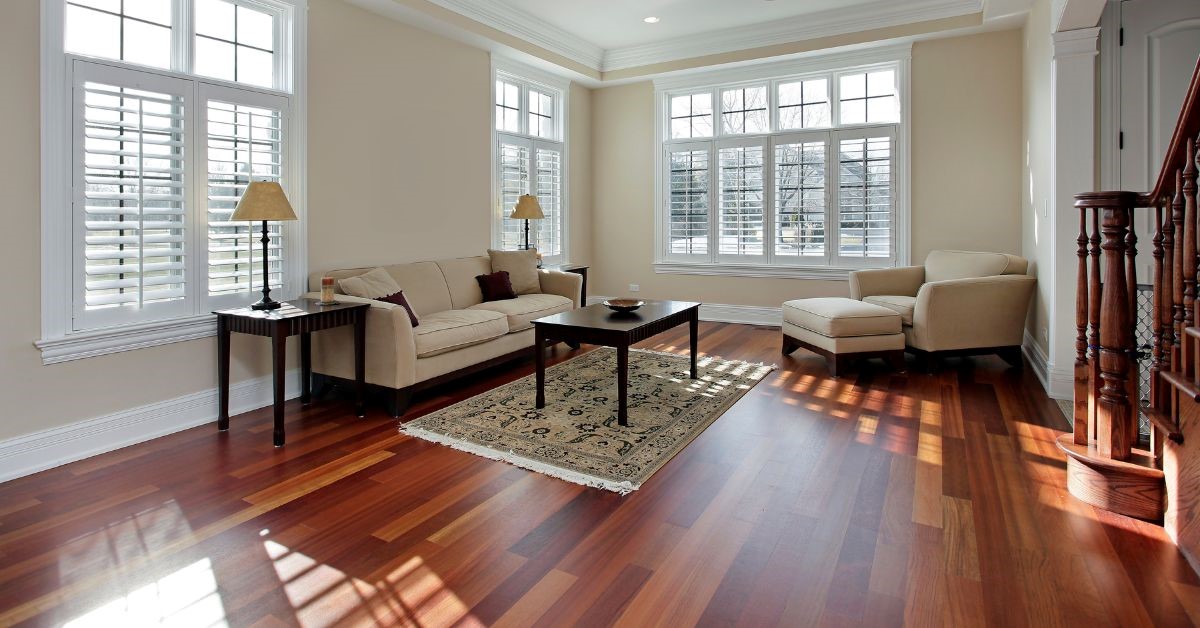
Choosing hardwood floors isn’t just about picking a color or a style. Each wood species brings unique strengths, quirks, and challenges that can influence how your floors hold up over time. If you plan to remodel, understanding the differences between hardwoods helps you choose based on your lifestyle, not just looks.
Some woods work better in high-traffic zones, while others shine in cozy, low-impact spaces. Instead of guessing, dive into the real details behind each option to make a confident, long-term investment.
Oak
Oak continues to win over homeowners with its classic grain and timeless appeal. Its open-grain texture accepts stain well, which means you can shift its tone from golden blond to dark espresso without losing character. You gain flexibility when you choose oak, especially if you like to change decor over time.
On the performance side, oak stands up well in hallways, living rooms, and any space with steady foot traffic. Its moderate hardness resists dents better than softer species but doesn’t feel overly rigid or loud while walking. Expansion and contraction happen with seasonal humidity, so proper spacing and acclimation before installation remain essential.
Red oak and white oak share a name but differ noticeably in tone and texture. White oak shows straighter grain with cooler undertones, while red oak leans warmer with a more prominent pattern. This variety gives oak an edge when balancing budget, design freedom, and performance.
When weighing the pros and cons of different hardwood species, oak often emerges as a favorite for good reason. It checks nearly every box without pushing extremes in softness, cost, or care. Many homeowners trust oak because it performs reliably in both new homes and older renovations. Its versatility, ease of finishing, and time-tested appeal give it lasting value far beyond its price point.
Hickory
Hickory makes a bold visual statement with its unpredictable grain and sharp contrasts between heartwood and sapwood. You immediately notice the rustic charm, especially in wider planks that highlight the wood’s dramatic color swings. If you like a raw, natural look, hickory delivers exactly that.
Durability stands out as its greatest strength. Hickory ranks among the hardest domestic woods used in flooring, which means it resists scratches, dents, and everyday wear better than most hardwood species. The toughness makes it perfect for families with pets, kids, or a lot of in-and-out movement.
However, hickory’s heavy grain doesn’t suit every design. Sleek, modern interiors might clash with its busier pattern and pairing it with minimal decor often creates visual tension. Cutting and installing hickory also presents a challenge, especially for DIYers without commercial-grade tools.
The pros and cons of different hardwood species really come into focus with hickory, where the line between strength and style depends on how you plan to use your space. When you want something bold and nearly indestructible, hickory gives you peace of mind. Just make sure the grain pattern aligns with your design goals before you commit to the full installation.
Maple
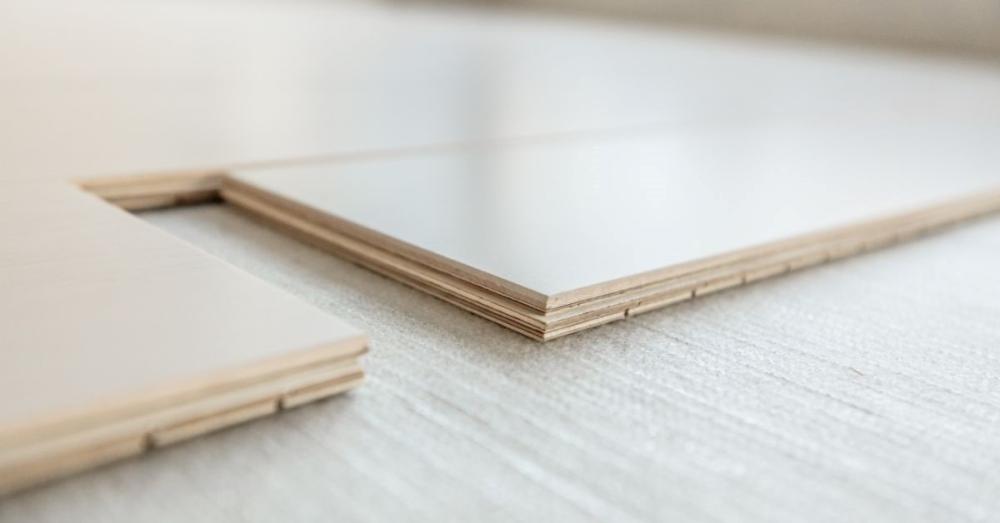
Maple leans subtle in every way. Its grain stays tight and clean, and its natural tone fits light, modern interiors perfectly. You won’t see strong contrast or heavy texture here, which allows your furniture and walls to take center stage. The design softness makes maple a favorite for Scandinavian and contemporary-style homes.
Maple’s structure supports solid wear over time, particularly in mid-traffic areas like bedrooms, home offices, or upstairs hallways. However, the closed grain resists stains unevenly, so you get the best results when keeping it close to its natural hue. Direct sunlight can cause a slight yellowing, but you can minimize that by using rugs or blinds.
As a hardwood, maple strikes a comfortable middle ground between aesthetics and practicality. It doesn’t feel harsh underfoot, and it blends well with lighter cabinets and countertops. When you want warmth without texture, maple becomes a natural choice.
At iDeal Floors, we provide hardwood flooring for sale in Dallas/Fort Worth that residents rely on for clean, modern upgrades while never sacrificing durability or visual clarity. We help homeowners match maple floors to light cabinetry and contemporary finishes while keeping spaces warm and inviting. Maple lets you keep things subtle while still upgrading to a resilient, natural surface.
Walnut
Walnut draws attention instantly with its rich chocolate tones and natural depth. If you want a floor that adds warmth and elegance at the same time, walnut delivers that look effortlessly. Its grain feels more refined than rustic, and its color darkens gradually into a deep, smooth patina.
While walnut looks premium, it doesn’t offer the same level of durability as other woods. Softer by nature, walnut scratches more easily and shows dents from heavy furniture legs and dropped objects. Placing it in low-traffic rooms or formal areas helps extend its lifespan and preserves its visual appeal.
Some homeowners use walnut as an accent, pairing it with a lighter wood in other rooms for balance. Contrast builds visual flow without forcing one material to serve every need. Walnut suits buyers who value atmosphere and comfort over maximum durability.
The right design can make walnut shine, but you need to think about how often the room will endure foot traffic, moving chairs, and spills. Walnut suits quiet rooms, reading nooks, and places where mood matters more than foot traffic. If you value elegance over extreme durability, walnut is an excellent choice.
Cherry
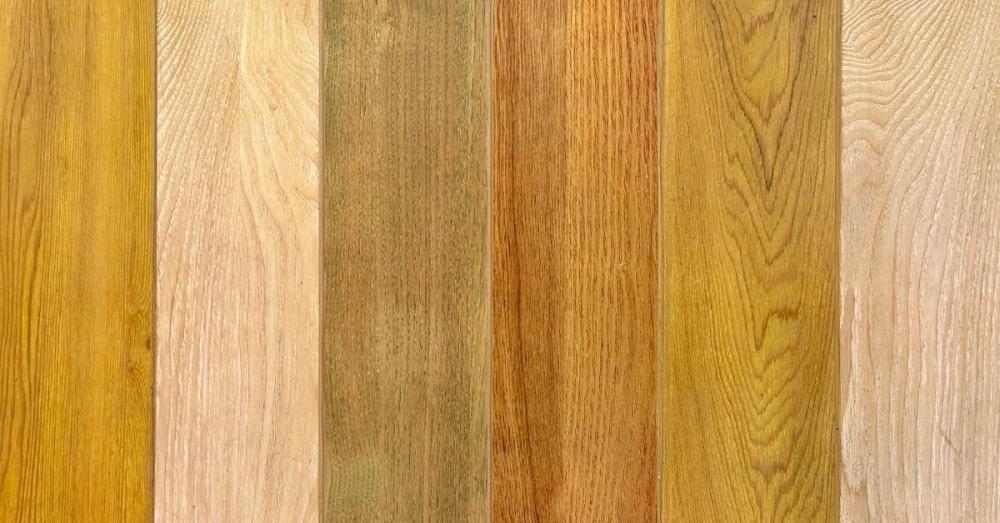
Cherry’s deep reddish tone matures over time into a rich mahogany-like hue that never feels outdated. Its smooth grain gives it a luxurious feel, especially in formal dining rooms or elegant bedroom suites. Few species develop such a warm, lived-in appearance without any extra treatment.
Because of its softness, cherry scratches and dents more easily than denser wood. It doesn’t belong near doorways, kitchens, or entryways where grit and movement stay constant. Instead, use it where furniture stays put and foot traffic remains light and consistent.
You’ll notice that cherry changes the most during the first few years, especially with exposure to direct light. Many homeowners love this evolution, as the wood tells a visual story as it ages. You just need to plan your space so that rugs and furniture don’t block its development unevenly.
Cherry pairs beautifully with traditional cabinetry and warm-toned counters, helping you create cohesive interiors that feel timeless instead of trendy. It adds depth and warmth to personal spaces without overwhelming them visually. For homeowners who appreciate graceful aging and visual evolution, cherry stands apart as a flooring species worth considering.
The species you choose affects how your home functions and feels for years, not just the months after installation. Make decisions based on use, light exposure, and how you want each space to feel. Consider working with us over at iDeal Floors for help exploring hardwood flooring options in the Dallas/Fort Worth area!
About the Author

Comments