
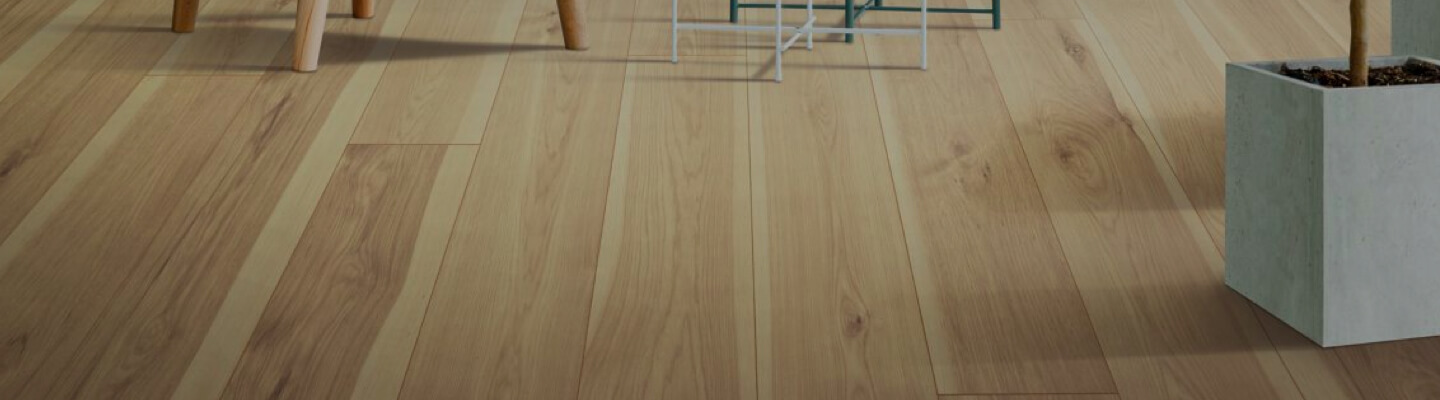
Your Complete Guide to Choosing Hardwood Floors
Selecting the right hardwood flooring for your Dallas-Fort Worth home doesn't have to be overwhelming. This guide breaks down everything you need to know about hardwood species, finishes, and installation methods.
- Compare solid hardwood vs. engineered options for Texas homes
- Understand durability ratings and finish choices
- Learn which installation method works best for your space
- Get pricing insights to plan your budget
Visit our Arlington, Garland, or Duncanville showroom to see samples in person and get personalized recommendations from our flooring experts. Browse in-stock hardwood flooring.
Popular Hardwood Flooring Species
Each wood species offers unique grain patterns, colors, and durability levels. The right choice depends on your home's style, foot traffic, and maintenance preferences.
- Oak – Classic grain pattern, excellent durability, works with traditional and modern Dallas-area homes
- Maple – Smooth, consistent grain with light tones, ideal for contemporary spaces
- Hickory – Extremely durable with bold grain variation, perfect for high-traffic areas
- Walnut – Rich, dark tones with elegant grain, adds luxury to any room
- Cherry – Warm reddish hues that deepen over time, best for formal spaces
Solid Hardwood vs. Engineered Hardwood
Both options offer authentic wood beauty, but they're constructed differently. Solid hardwood is milled from a single piece of wood, while engineered hardwood features a real wood veneer over a plywood core.
Solid Hardwood – Best for above-grade installations, can be refinished multiple times, ideal for long-term investment in stable environments.
Engineered Hardwood – Better moisture resistance for Texas humidity, works in basements and over concrete, more dimensionally stable, great for areas with temperature fluctuations.
Understanding the Janka Hardness Scale
The Janka Hardness Scale measures wood's resistance to denting and wear. Higher numbers mean greater durability, which matters for high-traffic areas.
- Brazilian Walnut (3,680) – Extremely hard, ideal for commercial spaces or homes with large dogs
- Hickory (1,820) – Very durable, excellent for active families
- Red Oak (1,290) – Moderate hardness, suitable for most residential applications
- Cherry (950) – Softer wood, best for low-traffic areas like bedrooms
- Pine (690) – Softest option, shows character marks easily, works for rustic aesthetics
Hardwood Flooring Stain Colors
Stain color dramatically impacts your room's ambiance. Consider your existing décor, natural light, and the mood you want to create.
Unstained (Natural):
Shows the wood's true color and grain. Best for highlighting unique wood characteristics and creating bright, airy spaces in your Texas home.
Light Stains:
Subtle tones that enhance wood grain while keeping floors bright. Best for smaller rooms, modern aesthetics, and homes with limited natural light.
Medium Stains:
Balanced warmth with visible grain patterns. Best for versatile styling, traditional homes, and hiding minor scratches in high-traffic areas.
Dark Stains:
Rich, dramatic tones that add sophistication. Best for large rooms with ample light, contemporary designs, and creating bold contrast with lighter walls.
Choosing Your Hardwood Floor Finish Sheen
Sheen level affects both appearance and maintenance. The right choice balances your aesthetic preferences with practical considerations for your Dallas-Fort Worth lifestyle.
Matte:
Low-luster finish with a natural, understated look. Hides scratches and dust well, requires less frequent cleaning, and works beautifully in modern or rustic homes.
Satin:
Soft sheen that's the most popular choice. Offers a balance between durability and appearance, easy to maintain, and complements most design styles.
Semi-Gloss:
Noticeable shine that reflects light. More formal appearance, easier to clean but shows imperfections more readily, ideal for low-traffic areas or traditional homes.
Hardwood Flooring Installation Methods
Installation method affects cost, durability, and where you can install hardwood. Your subfloor type and room location determine the best approach.
Nail-Down:
Traditional method using cleats or staples into wood subfloors. Most stable installation, allows for refinishing, best for solid hardwood on above-grade levels.
Glue-Down:
Planks are adhered directly to concrete or wood subfloors. Works on any grade level, reduces noise transmission, ideal for engineered hardwood and condos.
Floating:
Planks click together without attachment to subfloor. Fastest installation, easiest for DIY, best for engineered hardwood over concrete or existing floors.
Hardwood Flooring Cost Considerations
Hardwood flooring prices vary based on species, grade, finish, and installation complexity. Budget-friendly options like oak and maple typically range from $6-10 CAD per square foot for materials. Mid-range choices including hickory and ash fall between $10-15 CAD per square foot. Premium exotic species like Brazilian cherry or walnut can exceed $15-20 CAD per square foot. Installation adds $5-12 CAD per square foot depending on method and site preparation. Our Arlington, Garland, and Duncanville showrooms offer free estimates tailored to your project.
Hardwood Flooring FAQs
Q: What's the best hardwood flooring for Texas humidity?
A: Engineered hardwood handles humidity fluctuations better than solid hardwood. It's more dimensionally stable and less prone to expansion and contraction during Dallas-Fort Worth's seasonal changes.
Q: How long does hardwood flooring installation take?
A: Most residential installations take 2-4 days depending on room size and preparation needs. Our team provides accurate timelines during your free consultation at our Arlington, Garland, or Duncanville locations.
Q: Can hardwood floors be installed over concrete slabs?
A: Yes. Engineered hardwood with glue-down or floating installation works well over concrete. Many Dallas-Fort Worth homes have concrete slabs, and we'll recommend the best solution for your foundation.
Q: How often should hardwood floors be refinished?
A: Solid hardwood typically needs refinishing every 7-10 years with normal wear. Engineered hardwood can be refinished 1-3 times depending on veneer thickness. High-traffic areas may need attention sooner.
Q: Do hardwood floors increase home value in the Dallas area?
A: Absolutely. Hardwood flooring is a top feature for Dallas-Fort Worth homebuyers and typically offers strong return on investment compared to carpet or laminate options.
Start Your Hardwood Flooring Project Today
Our flooring experts are here to help you choose the perfect hardwood for your Dallas-Fort Worth home. Browse hundreds of samples, get personalized recommendations, and receive a free estimate at our Arlington, Garland, or Duncanville showrooms. Schedule your consultation today and take the first step toward beautiful, lasting hardwood floors.
Schedule Free Consultation | Call 972-453-6677